
Water Intake Calculator Pakistan: Staying hydrated is the cornerstone of vitality, yet many of us overlook how much water our bodies truly need. In a country like Pakistan, where summer temperatures can soar above 45°C, proper hydration isn’t just a health tip—it’s a necessity. Our Water Intake Calculator Pakistan helps you determine exactly how many liters of water you should consume daily based on your weight and activity level.
Dehydration can lead to fatigue, headaches, and poor kidney health. Conversely, drinking the right amount of water can boost your metabolism, clear your skin, and improve cognitive function. Whether you are an athlete in Lahore or a busy professional in Karachi, this online hydration tool provides a personalized target to keep you performing at your best. Simply enter your details and discover your path to better health today.
Water Intake Calculator
Calculate your daily hydration goal in Liters.
RESULT EXPLANATION
Your hydration needs aren’t random; they are biological. Here is how the results are determined:
- Weight-Based Needs: The body requires roughly 30ml to 35ml of water for every kilogram of body weight to maintain basic cellular functions.
- Physical Activity: When you exercise, you lose fluids through sweat. This tool adds approximately 350ml of water for every 30 minutes of physical activity.
- The “Pakistan Factor”: In humid or extremely hot conditions (like the Punjab plains or Sindh), your body loses water faster. We recommend adding an extra 500ml to 1 Liter during the summer months to compensate for perspiration.
DETAILED CONTENT
What is a Water Intake Calculator Pakistan?
A Water Intake Calculator is a wellness tool designed to estimate the total amount of fluid your body needs in a 24-hour period. While the “8 glasses a day” rule is common, it’s not accurate for everyone. A 90kg athlete needs significantly more hydration than a 50kg sedentary office worker.
How Does Hydration Work?
Water regulates your body temperature, lubricates joints, and flushes out waste through the kidneys. When you don’t drink enough, your blood becomes thicker, making your heart work harder.
Hydration in the Pakistani Context
Pakistan faces unique environmental challenges. With rising global temperatures, heatwaves are becoming more frequent.
- Heatstroke Prevention: Proper water intake is the primary defense against heat exhaustion in cities like Multan and Jacobabad.
- Dietary Considerations: Many Pakistani meals are high in sodium (salt). Salt draws water out of cells, meaning you need to drink more to balance your electrolyte levels.
- Ramadan Hydration: During fasting, it is vital to calculate your daily need and distribute it between Suhoor and Iftar to avoid daytime dehydration.
Benefits of Staying Hydrated
- Weight Loss: Water acts as a natural appetite suppressant and boosts metabolic rate.
- Better Digestion: Prevents constipation and promotes gut health.
- Energy Levels: Even mild dehydration can cause brain fog and muscle fatigue.
- Radiant Skin: Water hydrates skin cells from within, leading to a natural glow—much better than any topical cream!
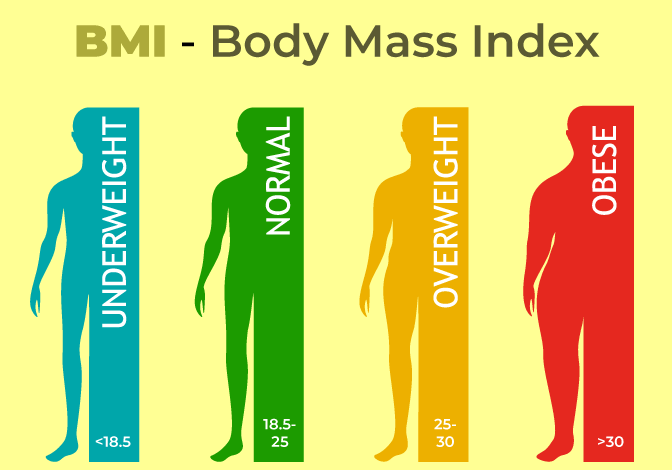
BMI Calculator Pakistan (To see how weight affects hydration needs)
Q1: Does tea or coffee count as water intake?
Yes, but with a catch. While they provide fluid, caffeine is a mild diuretic, meaning it can cause you to lose fluid more quickly. It’s best to rely on pure water for 70% of your intake.
Q2: How much water should I drink to lose weight?
Studies suggest drinking 500ml of water before meals can increase weight loss. This tool gives you the baseline; drinking slightly above this can help manage hunger.
Q3: Can I drink too much water?
Yes, a condition called hyponatremia occurs when you drink so much water that it dilutes the sodium in your blood. However, this is very rare and usually only happens during extreme endurance sports.
Q4: Is it better to drink cold or room temperature water?
In Pakistan’s heat, cold water can help lower your core temperature faster, but room temperature water is often gentler on the digestive system. Both count equally toward your goal.
Q5: What are the signs of dehydration?
Common signs include dark-colored urine, dry mouth, dizziness, and infrequent urination. If your urine is a pale straw color, you are likely well-hydrated.